Locally Raised Iowa Beef
At Simpson Creek Ranch, we are committed to raising high-quality beef with care, consistency, and attention to every detail. Our cattle are responsibly raised in Iowa with a focus on nutrition, health, and low-stress handling to ensure premium beef for your family.
We believe you should know where your food comes from and feel confident in the quality you are bringing to the table.
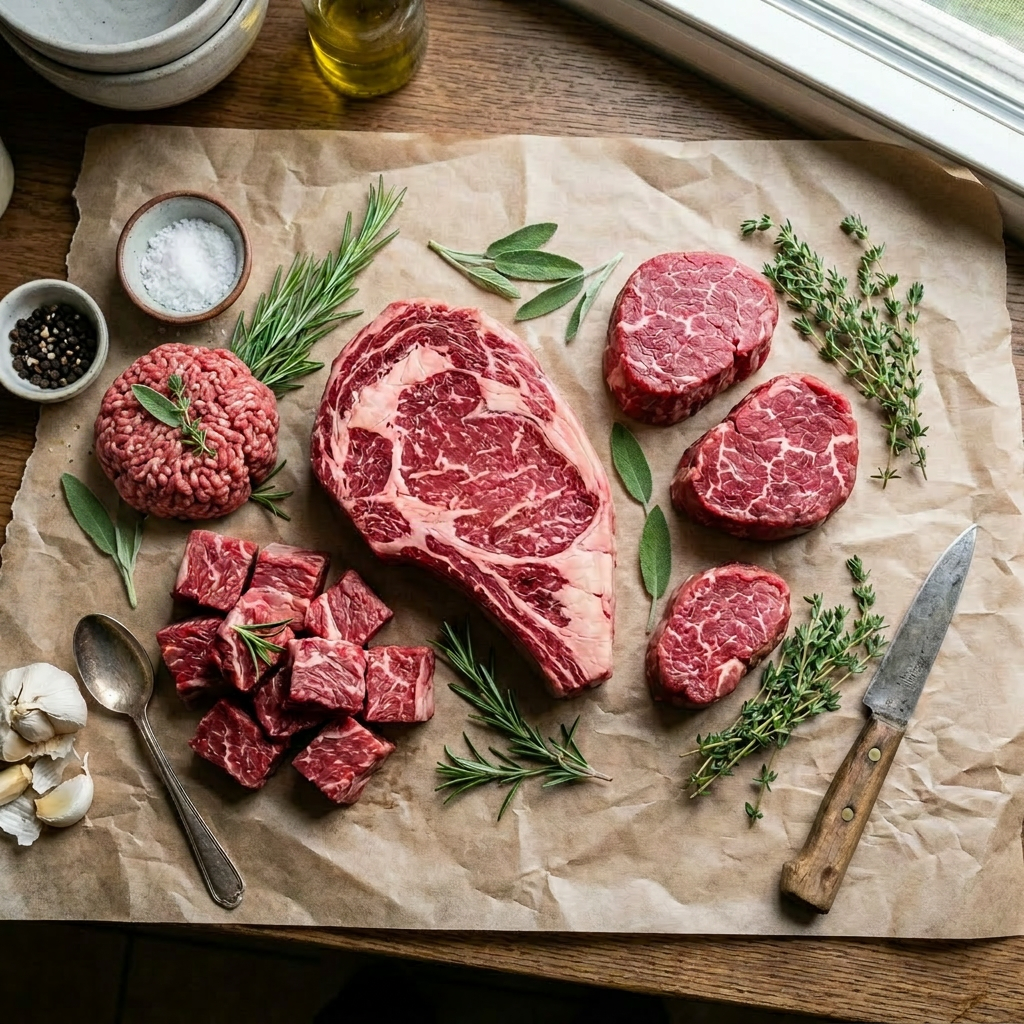
Grass-Fed. Grain-Finished. Raised Right.
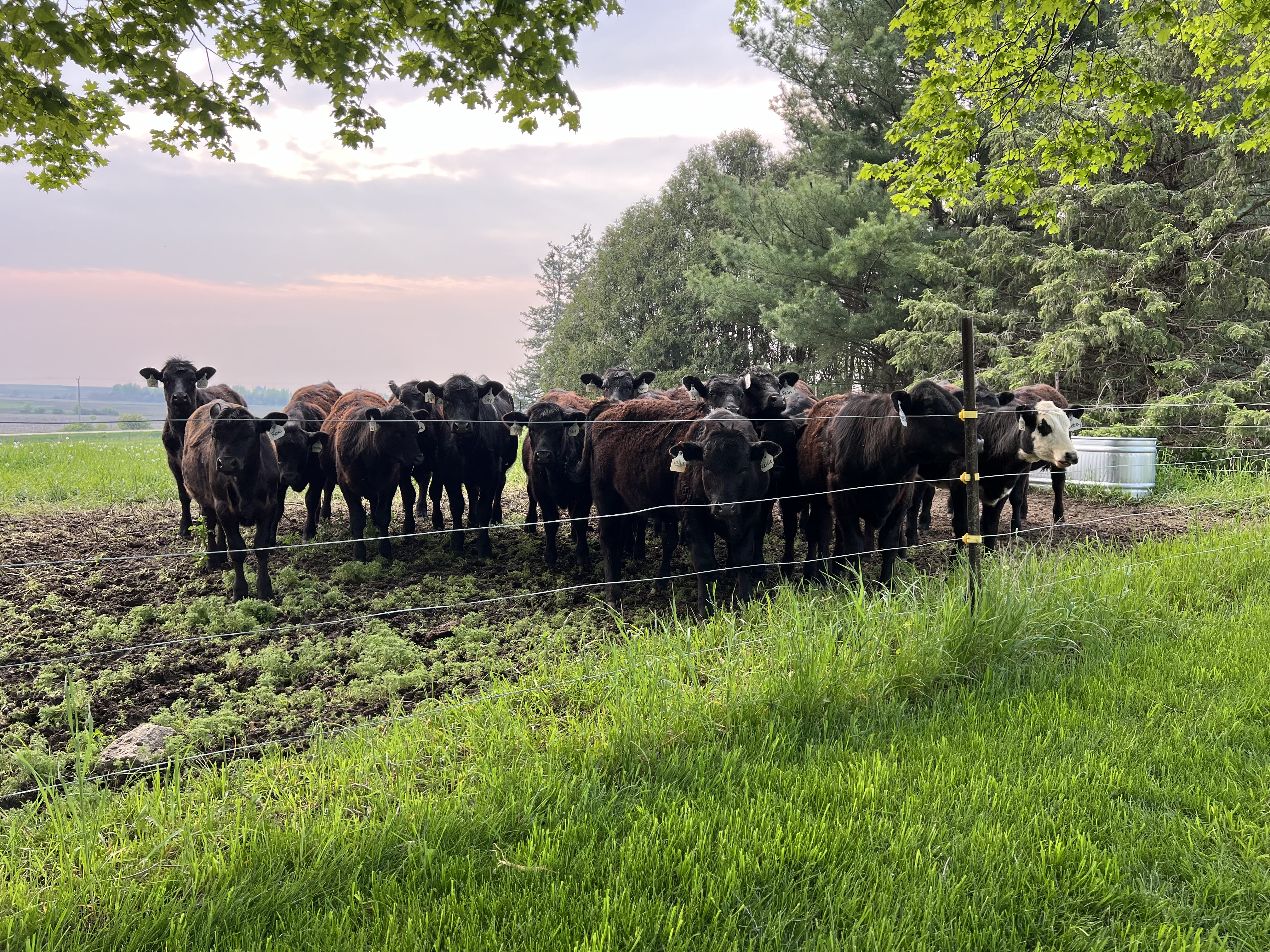
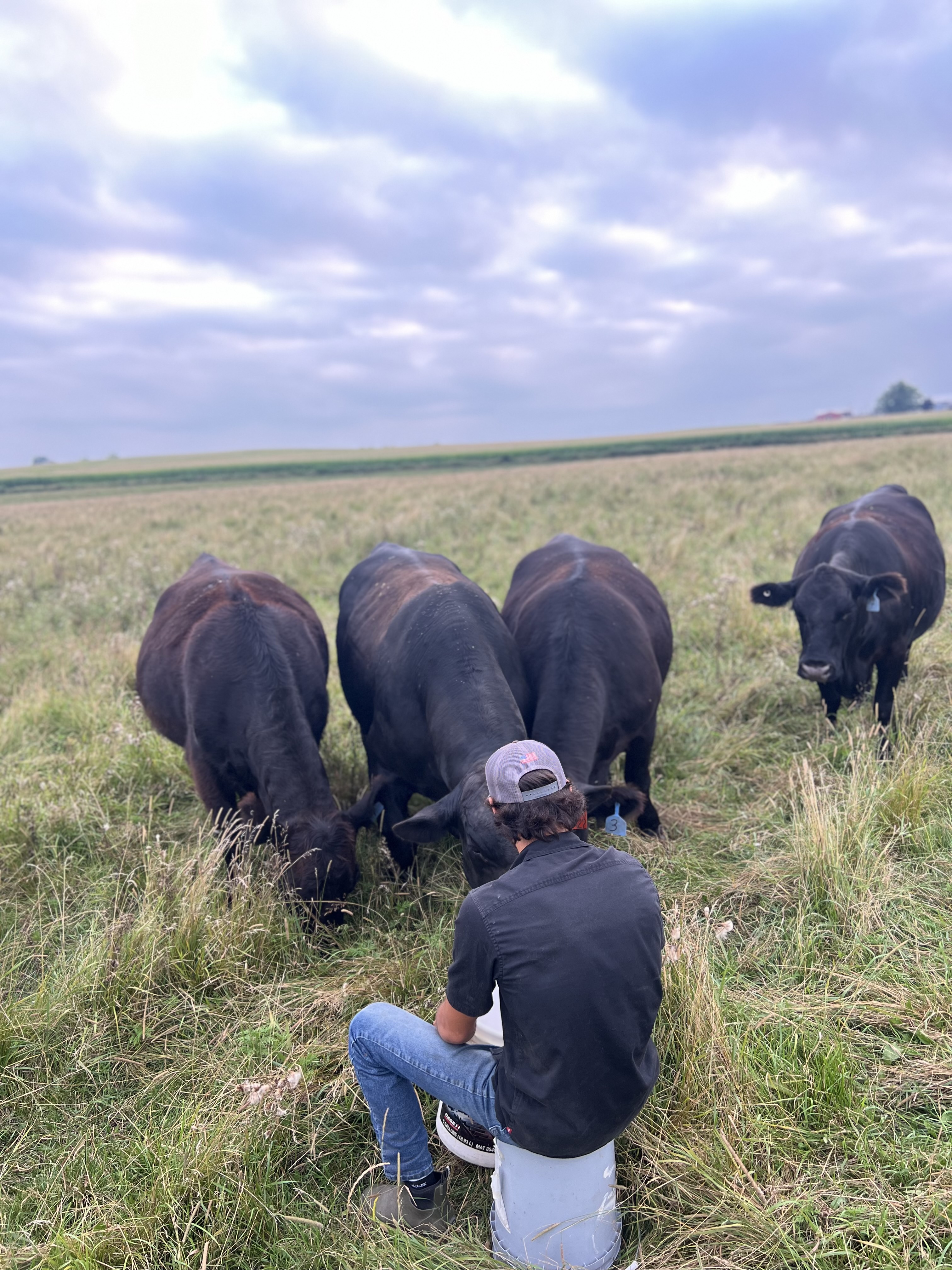
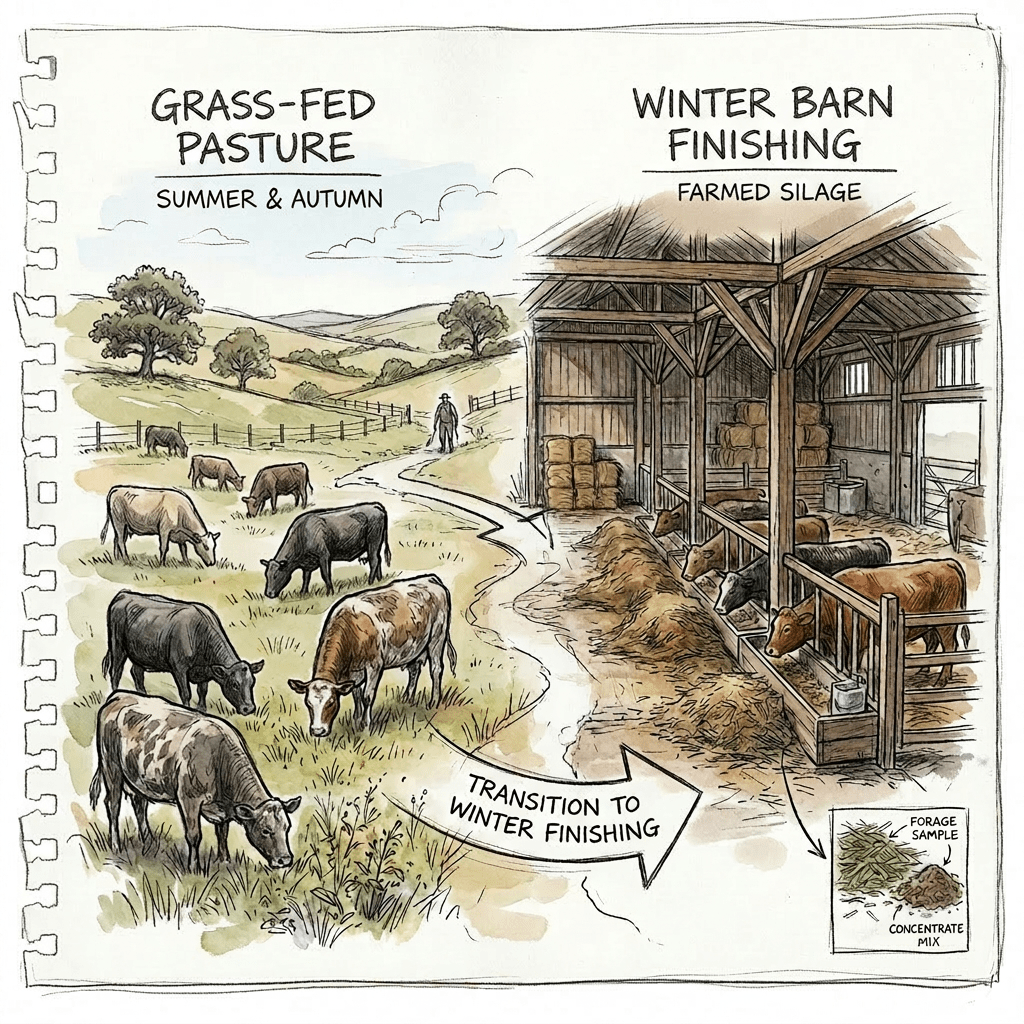
Grass-fed phase:
During the grass-fed stage, cattle primarily consume forage such as grasses, legumes, and other pasture plants, which are rich in fiber and naturally occurring nutrients. Ruminant animals like cattle are biologically adapted to convert cellulose from forage into energy through microbial fermentation in the rumen, where billions of microbes break down plant fiber into volatile fatty acids—the animal’s main energy source. Research in animal science shows that pasture-based systems can support healthy rumen function, steady growth rates, and improved animal welfare due to increased movement and lower stress environments. The nutrient composition of grass also changes seasonally, with higher levels of omega-3 fatty acids and certain antioxidants compared to grain-based diets, though overall energy density is lower, meaning cattle typically grow more slowly but efficiently under well-managed grazing systems.
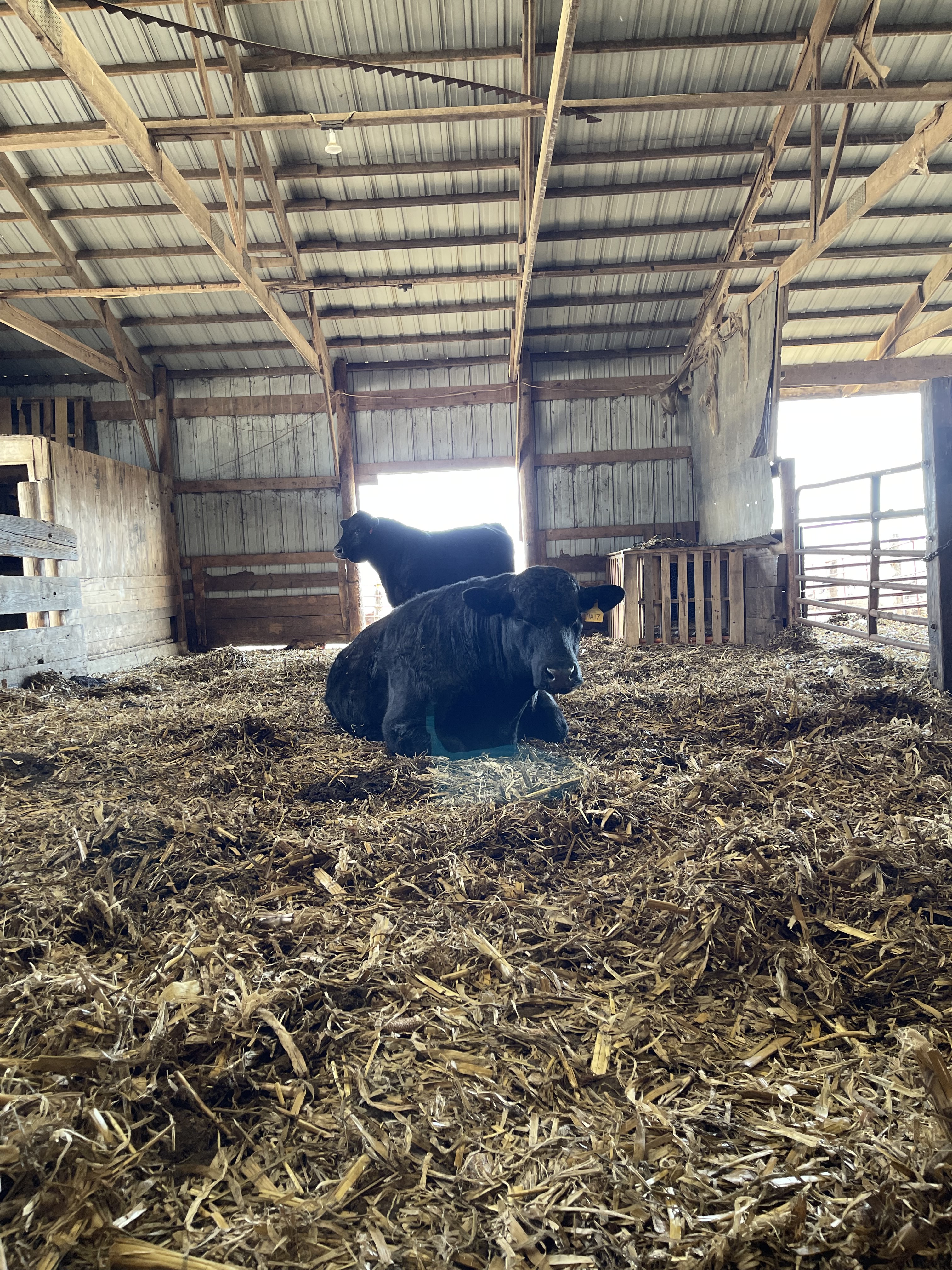
Grain-finished phase:
In the grain-finishing phase, cattle are transitioned to a higher-energy diet consisting primarily of corn and other grains to promote efficient weight gain and intramuscular fat deposition, known as marbling. From a biological standpoint, grain diets increase the production of propionate in the rumen, a volatile fatty acid that serves as a highly efficient energy source for muscle growth and fat synthesis. Meat science research consistently shows that marbling is strongly correlated with tenderness, juiciness, and flavor, which is why grain-finishing is widely used in beef production systems. This phase also helps cattle reach market weight more consistently and predictably, especially in regions like Iowa where seasonal weather fluctuations can limit pasture availability and forage quality during colder months.
Processing phase (harvest readiness):
When cattle reach ideal weight and maturity, they are transported to USDA-inspected facilities where strict food safety and animal welfare standards are followed. Carcass characteristics such as weight, fat cover, and marbling are evaluated because they directly affect beef quality, consistency, and yield. After harvest, the beef is carefully chilled and aged under controlled conditions so natural enzymes can break down muscle fibers, improving tenderness and flavor. Our cattle are processed through Deerfield Locker, where attention to detail and proper handling help ensure a high-quality final product from start to finish.
 Simpson Creek Ranch